
Top 10 Foods Students Can Make Quickly (Breakfast, Lunch & Dinner Edition) so, Student life runs on tight schedules – deadlines, early classes, late-night studies, and zero time to cook. Yet, food remains the silent engine that powers every success story. Skipping meals or surviving on instant noodles may seem easy, but it drains energy, focus, and long-term health.
This article is a student survival guide for quick cooking – 10 smart, nutritious, and budget-friendly meals that anyone can make with basic tools and little time. Whether you live in a hostel, apartment, or shared flat – these are the recipes that fit your real routine, not just your Pinterest dreams.
1. Vegetable Maggi 2.0 (The Smarter Student Upgrade)
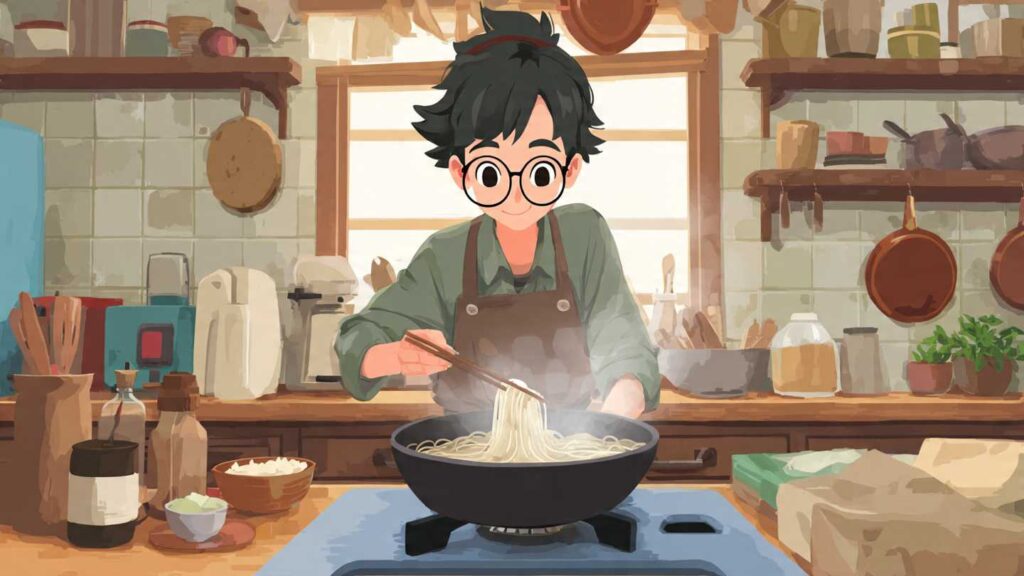
- Why it works: It’s quick, comforting, and familiar – the five-minute magic that fuels millions of students worldwide. But this version transforms the classic snack into a real meal – balanced, filling, and brain-friendly.
- How to make: Boil your noodles as usual, but toss in a handful of chopped vegetables like capsicum, peas, and carrots. These not only add crunch and color but also pack essential vitamins. If you want to level it up, crack an egg directly into the pot or toss in some paneer cubes – it instantly becomes a protein-rich meal.
- Smart student tip: Don’t waste anything. Use leftover veggies from last night’s dinner or even the ends of onions and peppers. You’ll save money, reduce waste, and eat healthier – all while keeping the comfort of your favorite Maggi moment intact.
Real-world student example: Many hostel students in India, Japan, and even the UK’s dorm kitchens swear by this trick – “Maggi 2.0” is more than a recipe; it’s a survival strategy for study nights when time, money, and energy are all low, but motivation is high.
Top 10 Experiments with Maggi Every Student Should Try
| S.no. | Maggi Experiment | Steps & Student Tips |
|---|---|---|
| 1. Vegetable Power Maggi | Add chopped carrots, peas, capsicum, and corn for color and nutrition. | Steps: Boil noodles → Add veggies → Cook till soft → Sprinkle masala. Tip: Use leftover veggies to save prep time. |
| 2. Cheese Burst Maggi | Creamy comfort for long study nights. | Steps: Cook Maggi → Add grated cheese → Stir till melted. Tip: Add milk for a richer, smoother texture. |
| 3. Egg Maggi Scramble | High-protein meal in one pan. | Steps: Half-cook Maggi → Crack an egg → Stir quickly. Tip: Add chili flakes and pepper for energy during exams. |
| 4. Maggi Sandwich Toast | Street-style twist for hostel evenings. | Steps: Place cooked Maggi between two bread slices → Toast or grill. Tip: Add cheese or ketchup before toasting. |
| 5. Maggi Bhel (Dry Snack) | Crunchy, tangy version for snack lovers. | Steps: Half-cook noodles → Add onion, tomato, lemon, and masala. Tip: Sprinkle chat masala for extra punch. |
| 6. Paneer Maggi Delight | Protein-packed and flavorful. | Steps: Sauté paneer cubes in butter → Mix into Maggi → Add oregano. Tip: Great for post-gym or study breaks. |
| 7. Soupy Maggi Bowl | Warm, soupy comfort meal. | Steps: Add extra water and masala → Cook till semi-liquid. Tip: Add spinach or corn for added taste. |
| 8. Tadka Maggi | Indian twist with a spicy aroma. | Steps: Heat ghee → Add mustard seeds, curry leaves, onion → Mix Maggi. Tip: Pair with pickle for a home-style vibe. |
| 9. Maggi Pizza Base | Creative food experiment for groups. | Steps: Spread cooked Maggi on tawa → Add sauce, cheese, veggies → Cover till melted. Tip: Cut into slices like real pizza. |
| 10. Chocolate Maggi (Experimental.) | Sweet twist – dessert for the bold. | Steps: Cook Maggi plain → Add small piece of chocolate → Stir till creamy. Tip: Try with dark chocolate once – just for fun. |
2. Egg Fried Rice (The 10-Minute Protein Power Meal)
- Why it works: Because it’s the ultimate “zero-waste, full-energy” meal. Made from leftover rice, Egg Fried Rice turns what most students might throw away into a delicious, balanced dish – rich in carbs, protein, and flavor. It’s fast, cheap, and keeps your brain fueled for long study sessions.
- How to make: Heat a little oil in a pan, scramble two eggs, and add cooked rice with soy sauce, onions, and a small pinch of chili. Stir-fry it for 3–4 minutes until everything mixes well. Optional: throw in some frozen peas, corn, or bell peppers if you want a nutrition upgrade.
- Perfect for: Those late-night hunger moments after finishing assignments or a quick dinner before an early lecture. It’s also ideal for students who live in hostels or PGs with minimal kitchen setups.
- Smart student tip: Store cooked rice in the fridge – it actually fries better the next day. Add a squeeze of lemon or a sprinkle of black pepper for an instant flavor boost without adding cost.
Real-world insight: Students in India, Southeast Asia, and even the UK rely on this dish because it’s universal – one pan, one spoon, one success. Many even say it’s “the most productive meal” before exams because it’s light yet energizing.
Also read: Top 10 DIY Ideas for Students in Daily Life
3. Bread Pizza on Tawa (The No-Oven, All-Fun Snack Hack)
- Why it works: Because every student secretly craves pizza – but not everyone has an oven or the budget for takeout. Bread Pizza on Tawa brings that “weekend treat” feeling to your daily student life. It’s quick, affordable, and tastes shockingly close to real pizza.
- How to make: Take regular bread slices (white, brown, or multigrain). Spread pizza or tomato sauce evenly, top with grated cheese, diced onions, capsicum, and tomatoes. Sprinkle some oregano or chili flakes if you have them. Place the slice on a hot tawa (pan), cover it with a lid, and cook on low flame for 3–5 minutes until the cheese melts.
- Fast fact: No oven? No problem. You can make this in a sandwich maker, air fryer, or even on a simple gas stove. The trick is to trap the heat – that’s what melts the cheese perfectly.
- Perfect for: Evening cravings, group study sessions, or hostel get-togethers. It’s also a lifesaver during rainy days or when you want something “fun” but don’t want to order food.
- Smart student tip: Add leftover paneer, chicken, or even Maggi as toppings to experiment with flavors. Keep bread frozen – it stays fresh longer and crisps better on the pan.
Real-world insight: College students in India, the Philippines, and even Italy’s student hostels make this hack daily. It’s a cross between a midnight toast and cafe-style pizza, making it one of the most-loved student snacks worldwide.

4. Oats or Poha Bowl (The Light Yet Power-Packed Student Meal)
- Why it works: Because sometimes, students need a meal that doesn’t feel heavy but still keeps them full through morning classes or late-night study hours. The Oats or Poha Bowl is that perfect balance – quick, nutritious, and comfortingly desi. It’s light on the stomach yet full of energy and flavor.
- How to make: Dry roast oats or poha for a minute until crisp. In a pan, sauté chopped onions, tomatoes, green chilies, and a few curry leaves. Add the roasted oats or poha with a splash of water and a pinch of salt. Stir well for 2–3 minutes. Finish with lemon juice and fresh coriander for that refreshing touch.
- Add-on magic: Add roasted peanuts or sweet corn for a satisfying crunch. For protein lovers, throw in boiled eggs or paneer cubes. If you want a sweeter version, use milk, banana slices, and honey instead – instant breakfast twist.
- Perfect for: Early morning classes, lazy brunches, or midnight cravings when you don’t want junk food. It’s ideal for hostellers and students living in PGs who want to save both time and money.
- Smart student tip: Soak poha in water for just a minute – not too long – to keep it fluffy, not soggy. For oats, avoid overcooking; it turns sticky fast.
Fun fact: In student hostels across India, especially Maharashtra and Madhya Pradesh, poha is the “unofficial breakfast of champions.” And now, with oats in the mix, it’s gone global – even fitness-conscious students in the U.S. and Japan are adapting this Indian-style bowl.
5. Chapati Roll (Stuffed Wrap) (The Anytime, Anywhere Student Saver)
- Why it works: Because students are always in a rush – from morning classes to evening tuitions. The Chapati Roll is a complete meal that travels with you. No plate, no mess, just grab-and-go energy. It’s perfect for students who live in hostels or have early lectures with no time for elaborate meals.
- How to make: Take a leftover or fresh chapati. Spread a little sauce, chutney, or mayo. Add your filling – scrambled egg, mashed potato with masala, paneer bhurji, or even leftover noodles for a fun fusion twist. Roll it tightly, wrap it in foil or tissue, and you’re good to go.
- Smart tip: Make extra chapatis at night and store them in a clean cloth or airtight box. In the morning, you can instantly turn them into wraps in less than 5 minutes – no new cooking required.
- Pro upgrade: Add a layer of cheese slice or sprinkle oregano for that café-style flavor. You can also drizzle a little mustard or tandoori sauce for a spicy punch.
- Perfect for: Students rushing to class, travel days, or lunchbox meals that stay fresh and tasty. It’s also ideal for hostel students without access to full kitchens.
Fun fact: The “Chapati Roll” is India’s answer to the burrito. Originating from the famous Kolkata Kathi Roll, it has now evolved into a favorite across campuses – from Delhi University to Pune, every student hostel has its own signature version.
Health note: Use whole wheat chapatis for better fiber and longer energy release – it keeps your focus sharp during lectures.
6. One-Pot Khichdi or Rice Bowl (The Comfort Meal Every Student Needs)
Why it works: Because nothing beats comfort food when you’re mentally exhausted after long study hours or back-to-back exams. The One-Pot Khichdi or Rice Bowl is the ultimate student-friendly meal – warm, filling, and easy on the stomach. It’s like a hug in a bowl after a tough day.
How to make: Take a mix of rice, moong dal (lentils), a pinch of salt, turmeric, and chopped veggies like carrots, peas, and beans. Add water and cook in a pressure cooker or rice cooker – just one whistle and it’s done.
You can also add jeera (cumin), ghee, and ginger for aroma and digestion benefits.
Why students love it:
- Zero effort – just throw everything in one pot.
- No extra dishes – less cleanup, more time to relax.
- Nutritious – gives protein, carbs, and fiber in one go.
Upgrade idea: Add a spoon of ghee or butter for flavor and energy. For a twist, make it a rice bowl with toppings like sautéed tofu, eggs, or paneer. You can even pour in leftover curry for an instant “fusion bowl.”
Perfect for: Late-night hunger, sick days, or when you want a “home-cooked feeling” far from home. Also perfect during exam season, when your brain needs rest and light nutrition.
Fun fact: Khichdi is considered India’s first comfort food – and even NASA once mentioned it as an ideal “easy-digestion meal”. Many hostels now serve khichdi nights as a weekly ritual because it’s both budget-friendly and heartwarming.
Health tip: Use brown rice or millets for a fiber-rich version that keeps you full longer and boosts concentration during long study sessions.
7. Quick Pasta with Veggies (The 10-Minute Energy Booster)
Why it works: When you need a quick carb recharge to survive a late-night study marathon, pasta is your best friend. It’s comforting, energizing, and feels like a mini treat after hours of notes and assignments. Plus, it’s customizable – perfect for every mood and budget.
How to make: Boil your favorite pasta (penne, macaroni, or spaghetti). In a pan, heat a spoon of oil or butter, add chopped garlic, onions, capsicum, corn, and tomatoes, then toss in the boiled pasta. Season with salt, oregano, and chili flakes.
For a budget hack, skip the fancy sauce – mix ketchup + a pinch of chili flakes or pepper for a surprisingly delicious “desi pasta twist.”
Why students love it:
- Quick & filling – done in under 10 minutes.
- Customizable – add paneer, egg, or tofu for protein.
- Affordable ingredients – everything from your local store or mess kitchen.
Upgrade idea: Use whole wheat or vegetable pasta for extra nutrition, and sprinkle grated cheese if you want a creamy texture. You can even try Maggi masala pasta for a nostalgic fusion flavor.
Perfect for: Study breaks, movie nights, or when you crave restaurant-style food without the bill.
Fun fact: In many hostel kitchens, “pasta nights” have become the new “Maggi nights.” It’s not just food – it’s a mini celebration of student life where taste meets teamwork (and everyone brings their own toppings).
Health tip: Pair it with a cup of milk or fruit for a balanced meal that fuels your brain with both carbs and proteins – perfect for long focus hours.
8. Vegetable Omelette / Besan Chilla (The Protein Power Meal)
Why it works: Whether you eat eggs or not, this dish gives you a quick protein boost that keeps you full and focused for hours. Both egg omelette and besan (gram flour) chilla are ideal for students juggling morning classes or late-night projects – simple, nutritious, and ready in minutes.
How to make:
- For omelette: Whisk 2 eggs with finely chopped onion, tomato, green chili, and coriander. Add salt and a pinch of pepper. Cook both sides on a lightly oiled pan.
- For besan chilla: Mix gram flour (besan) with water into a smooth batter. Add the same veggies, season, and cook like a pancake on both sides until golden.
Why students love it:
- High in protein – perfect for brain and muscle fuel.
- Budget-friendly – no expensive ingredients, minimal cleanup.
- Flexible meal – great for breakfast, lunch, or even a light dinner after study hours.
Smart upgrade: Stuff it with paneer, spinach, or cheese for extra flavor and nutrition. Wrap it in a chapati to make a protein roll on-the-go.
Fun fact: In hostels, this dish is often called “The 5-Minute Life Saver” – because it saves both time and hunger before class or exams.
Health tip: Pair with a glass of milk or fruit for a complete, balanced meal.
9. Instant Curd Rice (The Chill Meal for Busy Minds)
Why it works: Curd rice is one of the most comforting and cooling Indian meals, perfect for students living in hostels or hot climates. It’s light, refreshing, and gut-friendly, thanks to its natural probiotics that keep your digestion healthy – especially during stressful study weeks.
How to make: Mix cooked rice (preferably slightly cooled) with fresh curd or yogurt. Add a pinch of salt. For a South-Indian touch, temper mustard seeds, curry leaves, and a little oil – then pour it over the mix.
Why students love it:
- Zero effort meal – ready in less than 3 minutes.
- Soothes the stomach – perfect after junk food or exam stress.
- Budget-friendly and healthy – no fancy ingredients required.
Upgrade idea: Add grated carrot, cucumber, or pomegranate seeds for freshness and color. Some students even top it with a spoon of pickle or roasted peanuts for crunch.
Perfect for: Hot afternoons, post-exam lunches, or when you just want a “peaceful meal” that feels like home.
Health bonus: Curd naturally boosts immunity and gut health, helping you stay active, cool, and calm during long study sessions.
10. Paneer or Chicken Stir Fry (The 7-Minute Power Meal)
Why it works: It looks like a restaurant dish but takes less time than scrolling through your phone. The paneer or chicken stir fry is a perfect high-protein, low-effort meal for students who want taste, health, and style – all in one pan.
How to make: Cut paneer or chicken into small cubes, toss them in a pan with onion, capsicum, garlic, and a splash of soya sauce or chili sauce. Stir on high flame for 5–7 minutes until golden and slightly crisp.
Why students love it:
- Feels like “ordering out,” but actually homemade.
- Full of protein and flavor – keeps energy levels up for long study hours.
- No complex prep – just cut, stir, and serve.
Upgrade idea: Serve it with steamed rice, leftover chapati, or toasted bread for a filling combo. Vegetarians can replace paneer with tofu or mushrooms; non-vegetarians can experiment with boiled eggs or chicken strips.
Perfect for: Late-night hunger pangs, post-gym dinners, or days when you need a “reward meal” after studying hard.
Pro tip: Add a squeeze of lemon or sprinkle of sesame seeds for that extra freshness – it instantly turns into an “Instagram-worthy” dish without extra cost.
Psychological Insight (Why Cooking Helps Students Beyond Food?)
Cooking isn’t just survival – it’s self-discipline disguised as creativity. When students cook their own food, they develop:
- Focus: Following steps and timing builds precision.
- Responsibility: You learn to plan meals, manage groceries, and control diet.
- Mindfulness: The act of cooking reduces stress and boosts dopamine levels.
Cooking teaches independence – the same independence you need to manage exams, careers, and life.
Top 10 Quick Foods Students Can Make (With Time & Budget Guide)
| S.no. | Food Name | Prep Time & Estimated Cost |
|---|---|---|
| 1. Vegetable Maggi 2.0 | Add veggies and egg/paneer for a healthy twist. | Time: 7–8 minutes Cost: ₹30–₹40 / $0.5 |
| 2. Egg Fried Rice | Use leftover rice with egg, onion, and soy sauce. | Time: 10 minutes Cost: ₹40–₹60 / $0.7 |
| 3. Bread Pizza on Tawa | Bread + sauce + cheese + veggies – no oven needed. | Time: 6–7 minutes Cost: ₹30–₹50 / $0.6 |
| 4. Oats or Poha Bowl | Roast oats or poha with onion, tomato, and lemon. | Time: 8 minutes Cost: ₹20–₹35 / $0.4 |
| 5. Chapati Roll (Stuffed Wrap) | Roll leftover chapati with paneer, egg, or noodles. | Time: 10 minutes Cost: ₹25–₹40 / $0.5 |
| 6. One-Pot Khichdi or Rice Bowl | Mix rice, dal, salt, and veggies – comfort meal. | Time: 15 minutes Cost: ₹35–₹50 / $0.6 |
| 7. Quick Pasta with Veggies | Boil pasta, add oil, garlic, and oregano. | Time: 12 minutes Cost: ₹40–₹70 / $0.8 |
| 8. Vegetable Omelette / Besan Chilla | High in protein, easy to cook anytime. | Time: 7–9 minutes Cost: ₹25–₹35 / $0.4 |
| 9. Instant Curd Rice | Mix curd and cooked rice – cooling and filling. | Time: 5–6 minutes Cost: ₹20–₹30 / $0.3 |
| 10. Paneer or Chicken Stir Fry | Stir-fry with onion, capsicum, and soy sauce. | Time: 10–12 minutes Cost: ₹50–₹80 / $1.0 |
Smart 7-Day Student Meal Plan (Breakfast + Lunch + Dinner) PDF
Why Quick Food?
- Students often associate “quick” with “junk.” But quick food doesn’t mean unhealthy – it means efficient. It’s about knowing which meals give you maximum energy with minimum effort.
- Cooking is not a burden – it’s a student’s quiet rebellion against chaos. When you prepare your food, you prepare your future too. Every recipe is a reminder that independence begins with small actions – one bowl, one pan, one meal at a time.
- These 10 dishes show that you don’t need money, fancy ingredients, or a full kitchen – just the will to start. Even cooking once a day builds consistency and self-care habits that last beyond college.
“The meal you make in 5 minutes may feed your motivation for 5 hours.”
Top 10 Student Cooking FAQs (Smart Food, Smart Life)
1. I live in a hostel without a kitchen. Can I still cook these meals?
Yes. You can use an electric kettle, induction, or sandwich maker to prepare most of these dishes. For example, noodles, oats, khichdi, or poha can all be made in a kettle. The key is smart improvisation – minimal tools, maximum creativity.
2. What are the cheapest meals to cook daily as a student?
Khichdi, poha, chapati rolls, and egg rice are the most budget-friendly options. Each costs less than the price of one café coffee and provides full nutrition. These meals stretch your budget without shrinking your energy.
3. How can I plan meals for an entire week?
Pick one grain (like rice or oats), one protein (eggs or paneer), and one vegetable set each week. Pre-cook rice or chapatis in bulk and refrigerate. AI apps like Mealime or Notion AI Meal Planner can even generate meal charts and shopping lists.
4. How do I make food faster during exams?
Prepare semi-cooked ingredients in advance – boiled eggs, chopped veggies, or cooked rice. Store them in the fridge. During exams, you’ll only spend 5 minutes assembling your meal instead of 30 cooking it.
5. Can AI actually help students cook?
Absolutely. AI-powered apps such as ChatGPT, ChefGPT, or CookAI suggest instant recipes based on whatever ingredients you have. Just type “I have eggs, bread, and ketchup” – AI will generate 3–5 meal ideas instantly.
6. What’s the healthiest quick meal for college students?
Oats, besan chilla, or curd rice. They are light on digestion, high in nutrition, and keep your mind active for study sessions. Always balance your meal with one protein, one carb, and one fiber source.
7. How can students avoid junk food cravings?
Don’t avoid – replace. Make your own “fast food” using real ingredients:
1. Bread pizza instead of ordered pizza
2. Stir-fried noodles instead of fried street noodles
3. Boiled corn with lemon instead of chips
4. Healthy versions satisfy both your taste and body.
8. How do I save time and money while cooking daily?
Cook once, eat twice. Prepare a larger quantity at night and reuse for breakfast or lunch. Buying in bulk, meal prepping on weekends, and freezing portions cut food costs by up to 40%.
9. I’m always too tired to cook. What’s the solution?
Start with one dish that takes under 5 minutes – like curd rice or egg toast. Once you see the reward (better energy and mood), your motivation builds naturally. Small habits lead to consistent routines.
10. What’s the psychological benefit of cooking for students?
Cooking gives students a sense of control and self-accomplishment. It reduces stress, boosts creativity, and helps regulate mood. Studies show students who cook regularly are 20% more focused and emotionally balanced than those who don’t.