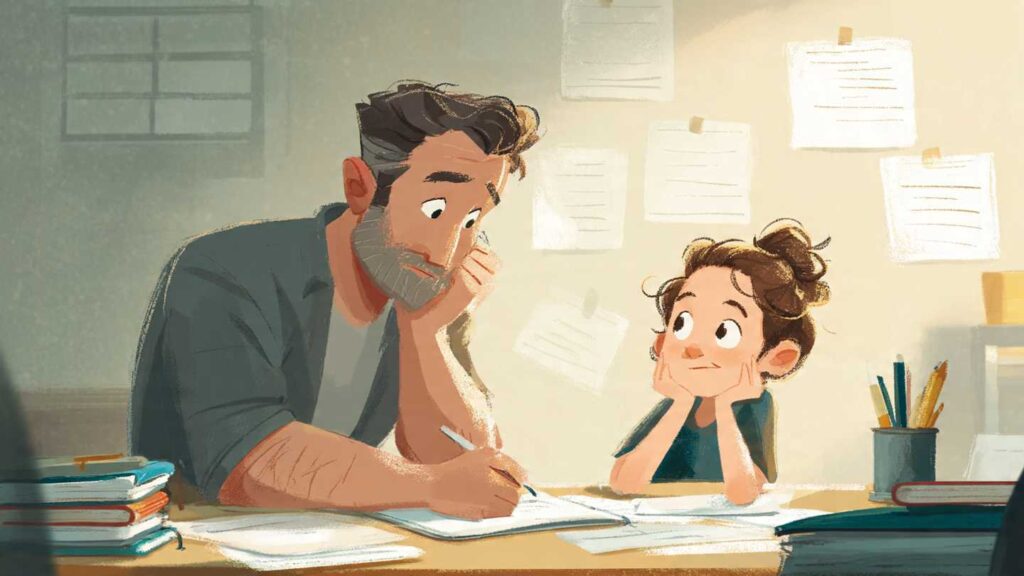
Today in this article we will discuss What Should Students Do When an Exam Paper Leaks After They Have Already Given the Exam? (When Effort Meets Unfairness) so, Imagine this: you studied hard for months, gave your exam honestly, and walked out with relief. Then, hours later, you see a headline – “Exam Paper Leak Confirmed.”
- Suddenly, the joy turns into anger, confusion, and helplessness. You did everything right, yet the system feels wrong.
- For thousands of students across the world, this is not just a nightmare; it’s a recurring reality. From school boards to national entrance tests, paper leaks have become a serious ethical and emotional crisis in modern education.
- But the question is – what should a sincere student do when an exam paper leaks after the exam has already been conducted?
This article explores that question deeply: from emotional reaction to practical action, from self-protection to ethical response, and from global examples to student empowerment and we will Learn what students should do when an exam paper leaks after they’ve written the test. Includes verified steps, mental health advice, and expert tips on handling re-exams, legal rights, and academic fairness.
1. What a Paper Leak Really Means? (Understanding the Situation)
A paper leak occurs when exam questions are illegally accessed and distributed before or during the scheduled test. It can happen through digital hacking, insider leaks, or organized cheating networks.
But not all leaks are the same. There are typically three scenarios:
- Pre-Exam Leak (Before the test): The paper circulates before students take the exam.
- Concurrent Leak (During exam time): A portion of the paper leaks while the exam is ongoing in some centers.
- Post-Exam Confirmation (After the test): Students discover that the paper had leaked earlier, after they have already written the test.
It is this third case that causes the deepest frustration – because honest students have already completed their exam, unaware that others may have had an unfair advantage.
2. The First Reaction (Emotional Shock Is Natural)
When news of a leak breaks, students experience a range of emotions – anger, betrayal, disbelief, and anxiety about the future. Psychologists identify this as a “moral injury” – the distress that occurs when one’s sense of fairness and justice is violated. You did the right thing, but the system didn’t protect you.
It’s important to remember:
- Your hard work is not wasted. Knowledge never loses value, even if one exam does.
- You are not alone. Thousands of honest students often share the same struggle.
- Your voice matters. Systems change when affected students speak responsibly, not reactively.
Take a moment to breathe, process the emotion, and then respond thoughtfully rather than impulsively.
3. Step One (Verify Before You React)
In the digital age, rumors spread faster than facts. Many times, so-called “paper leaks” turn out to be false – spread through social media images, fake PDFs, or student panic.
Before taking any action, confirm the news from authentic sources:
- Official education board or university website
- Verified government notifications
- Trusted mainstream news portals
- Statements from recognized student bodies
Avoid resharing or reposting unverified screenshots – spreading misinformation can worsen panic and might even attract legal scrutiny.
4. Step Two (Record and Preserve Evidence (If You See Proof)
If you come across a genuine instance of leaked material (for example, screenshots or question sets that match the real paper), do not share it publicly.
Instead, document it responsibly:
- Take a screenshot or note the source (time, platform, account name).
- Report it to the exam authority or cybercrime cell.
- Avoid forwarding it to peers – distribution can make you complicit in a criminal act, even unintentionally.
Legal experts stress that participating in the circulation of leaked papers can be punishable, even if done out of curiosity or anger. Your goal should be reporting, not reacting.
5. Step Three (Unite, Don’t Riot)
When an exam paper leak is confirmed, many students take to protests or online outrage. While student activism is valuable, anger without structure leads nowhere.
Constructive action means:
- Forming an official student group or joining an existing association.
- Writing a collective petition addressed to the education authority, demanding fairness and re-examination protocols.
- Using social media responsibly – trending awareness hashtags can help, but always include verified facts and respectful language.
The power of student unity can influence policy, as seen in several countries where leaked exams were re-conducted after public pressure.
6. Step Four (Prepare for the Possibility of a Re-Exam)
If the authorities confirm the leak and announce a re-test, emotions often rise again – “Why should I write it again when I did nothing wrong?”
- It’s an understandable feeling. But in the bigger picture, a fair re-exam is a restoration of justice.
- It ensures that those who cheated lose the advantage, and your effort is revalued in a transparent environment.
To handle a re-exam calmly:
- Treat it as revision, not repetition. You already know the material – focus on polishing weak areas.
- Avoid burnout – rest before starting your preparation again.
- Don’t let resentment cloud your focus. Remember, you’re protecting your integrity, not repeating your failure.
7. Step Five (Protect Your Mental Health)
Exam leaks cause emotional damage beyond academics. Students report feeling powerless, demotivated, and distrustful of the system.
To protect mental well-being:
- Talk to peers or mentors – collective empathy reduces stress.
- Avoid doomscrolling leak-related news 24/7.
- Use relaxation techniques: mindful breathing, journaling, or walks.
- Remember that your self-worth is not tied to institutional errors.
If anxiety becomes overwhelming, seek counseling support – many universities and online platforms provide confidential student mental health help.
Also read: What Is People-Pleaser Personality in Students?
8. Step Six (Learn the Legal and Ethical Context)
Paper leaks are criminal offenses in most countries. In India, the Public Examinations (Prevention of Unfair Means) Bill 2024 now treats paper leaks as a non-bailable crime with strict punishment for anyone involved.
Similarly:
- In the UK, the Office of Qualifications and Examinations Regulation (Ofqual) enforces immediate investigation and can cancel entire series if integrity is compromised.
- In the United States, universities and testing boards like ETS (GRE, TOEFL) and College Board (SAT) permanently ban test-takers or centers involved in leaks.
- In Nigeria, the West African Examinations Council (WAEC) and other bodies use AI-based digital tracking to trace leaks back to their source.
Knowing this helps students understand that justice, even if slow, usually follows.9. Step Seven (Keep Documentation for Transparency)
Students should maintain a record of their participation in the exam, such as:
- Admit card, roll number, and attendance slip.
- Copies of hall tickets and any communication from authorities.
- News clippings or official notices regarding the paper leak.
These documents help in case you need to appeal or verify your legitimate participation if re-evaluation or re-exam processes begin.
10. Step Eight (Focus on Long-Term Character, Not Short-Term Injustice)
When corruption or carelessness enters education, it’s easy to lose faith. But this is where your character as a student is tested more than your academic skill.
- Real education teaches resilience.
- Real success demands patience.
Students who stay honest, consistent, and composed through unfair systems often grow into the most ethical professionals later in life – whether as doctors, engineers, teachers, or public officers.
11. Real-World Examples of Student Responses to Paper Leaks
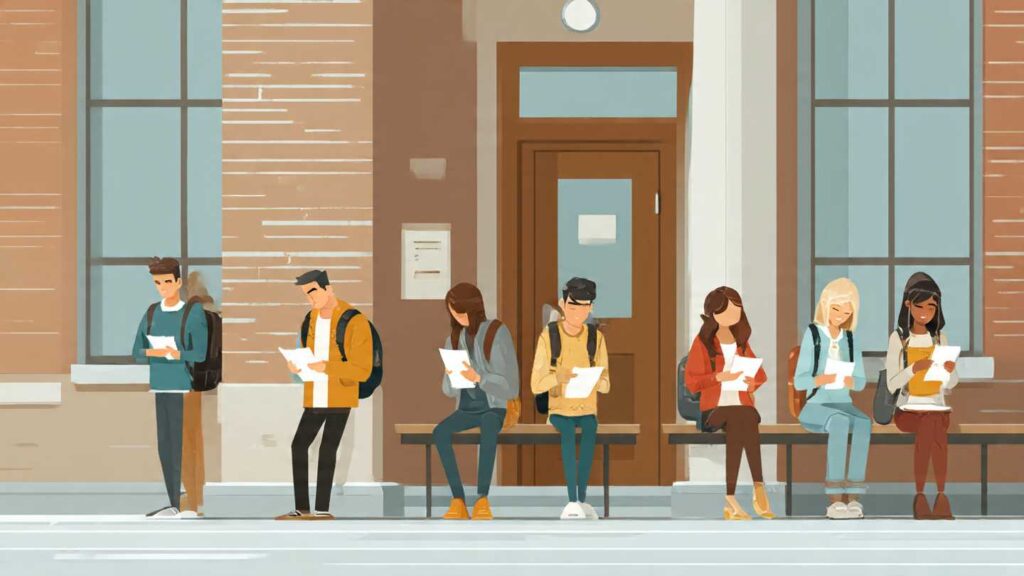
- India (2024): After several competitive exam leaks, students formed online petition groups that demanded centralized exam reforms. Their collective action led to government-level discussions on secure exam technology.
- Kenya (2023): Following repeated secondary exam leaks, honest students refused leaked materials, reported anonymous sources, and helped authorities strengthen digital security systems.
- United States (2022): When SAT test materials were leaked online, the College Board cancelled compromised tests and provided fee waivers for affected students, ensuring fair reattempts.
- Pakistan (2021): Students publicly shared their frustration through structured online campaigns that demanded accountability instead of violence – an example of civil protest done right.
These global patterns show that student voices have power when organized with reason and integrity.
12. What Students Should Never Do
To stay safe and maintain integrity:
- Do not forward leaked materials or exam screenshots.
- Do not post anger-fueled content on social media accusing individuals without proof.
- Do not boycott re-exams – it only harms your future, not the system.
- Do not believe every rumor – always confirm official updates.
- Do not lose your moral compass – fairness is rare, but it begins with you.
13. How Educational Institutions Can Support Students?
To restore student trust, schools and universities must:
- Issue clear, immediate communication about investigation status.
- Provide psychological counseling and reassurance.
- Conduct transparent re-exams with advanced security checks.
- Take legal action against involved personnel to set accountability examples.
When institutions act quickly and openly, students feel respected, not discarded.
14. Emotional Recovery (Turning Disappointment Into Determination)
Every unfair event holds a hidden lesson. Paper leaks remind students that success is not only about marks – it’s about maintaining ethics under pressure.
- You cannot control corruption, but you can control your response – and that defines your strength.
Write again. Study again. Rise again because integrity is not measured by how easy your journey is – it’s measured by how you behave when it becomes unfair.
Table of Student Recovery & Growth Plan After an Exam Paper Leak
| Focus Area | What Students Should Do (Constructive Actions) | What to Avoid (Negative or Unhelpful Responses) |
|---|---|---|
| 1. Academic Stability | Review your syllabus again calmly; focus on deep understanding rather than memorization. Use re-exam time to strengthen weak topics. | Losing motivation or assuming “effort is useless” because of unfairness. |
| 2. Emotional Resilience | Accept the situation emotionally, talk about your feelings with peers or mentors. Use journaling or meditation to calm the mind. | Bottling up emotions or isolating yourself – it increases anxiety and resentment. |
| 3. Trust in the System | Believe that not all institutions are corrupt. Support transparency initiatives like digital paper encryption or fair exam reforms. | Generalizing that “all exams are fake” or spreading cynicism about education. |
| 4. Career Continuity | Stay focused on long-term goals (college, scholarships, jobs). Keep preparing as if the system will correct itself. | Taking a break out of frustration or skipping future exams due to disappointment. |
| 5. Ethical Awareness | Talk openly about integrity with friends. Refuse leaked material in future. Encourage honesty even when others cheat. | Participating in unfair means “to balance the system” – corruption doesn’t fix corruption. |
| 6. Social Behavior | Support classmates emotionally, especially those feeling defeated. Lead by empathy and calmness. | Blaming others publicly or turning anger into group hostility. |
| 7. Digital Discipline | Limit exposure to rumor-driven groups. Follow only verified education news pages or government sources. | Staying glued to social media leaks or panic content – it destroys focus and peace. |
| 8. Academic Reflection | Write short summaries of what you learned from each subject. Focus on learning value, not exam marks. | Throwing away notes or rejecting academic effort due to frustration. |
| 9. Communication Skills | Practice speaking about unfair events calmly – it shows maturity and leadership. | Aggressive arguments online or spreading hate-driven content. |
| 10. Future Preparation Strategy | Use smart revision tools, mock tests, and digital learning resources. Develop time management before re-exam. | Overstudying without rest, leading to burnout and confusion. |
| 11. Peer Collaboration | Form small, positive study groups. Revise together and share authentic resources. | Gossip-based discussions or blaming teachers during group meets. |
| 12. Mental Health Care | Take breaks between study sessions. Sleep well and maintain healthy food habits. | Ignoring mental fatigue or using stimulants to extend study time. |
| 13. Family Support | Keep family informed about official updates. Involve them emotionally and mentally for stability. | Hiding emotions or cutting communication when feeling angry. |
| 14. Leadership Growth | Use your experience to raise awareness among juniors about exam ethics. Mentor younger students. | Spreading fear or negativity about exams to younger peers. |
| 15. Civic Awareness | Participate in student awareness drives or education clubs that promote honesty in examinations. | Staying silent or indifferent to ongoing reform discussions. |
| 16. Media Literacy | Learn how to identify fake exam news and distinguish credible reporting. | Forwarding sensational headlines without checking sources. |
| 17. Legal Literacy | Understand education laws and anti-cheating acts in your country. Awareness keeps you safe and informed. | Assuming ignorance as safety – laws protect those who act responsibly. |
| 18. Institutional Feedback | Give calm, written feedback to your board or university about how students felt during the crisis. | Using abusive or emotional language in official communication. |
| 19. Self-Education | Explore open online courses (Coursera, edX, etc.) to stay academically active while waiting for results. | Stopping learning completely until new exam dates are declared. |
| 20. Character Building | Treat the crisis as a test of integrity. Strengthen your values – fairness, honesty, patience, and self-belief. | Losing faith in ethics or thinking that “cheating wins faster.” |
Conclusion: The Honest Student Always Wins in the Long Run
A leaked paper can delay results, damage trust, and shake faith – but it cannot erase your effort, your ethics, or your learning.
- If you’ve given your exam honestly, stand proud. If injustice happens, speak with truth and unity.
- When education systems fall, it’s honest students who rebuild their credibility.
Your fairness today becomes the foundation for tomorrow’s integrity-driven world.
And that, ultimately, is the real meaning of being an educated person – to stay fair even when the system is not.